When Should You Test Your Water? A Simple Guide
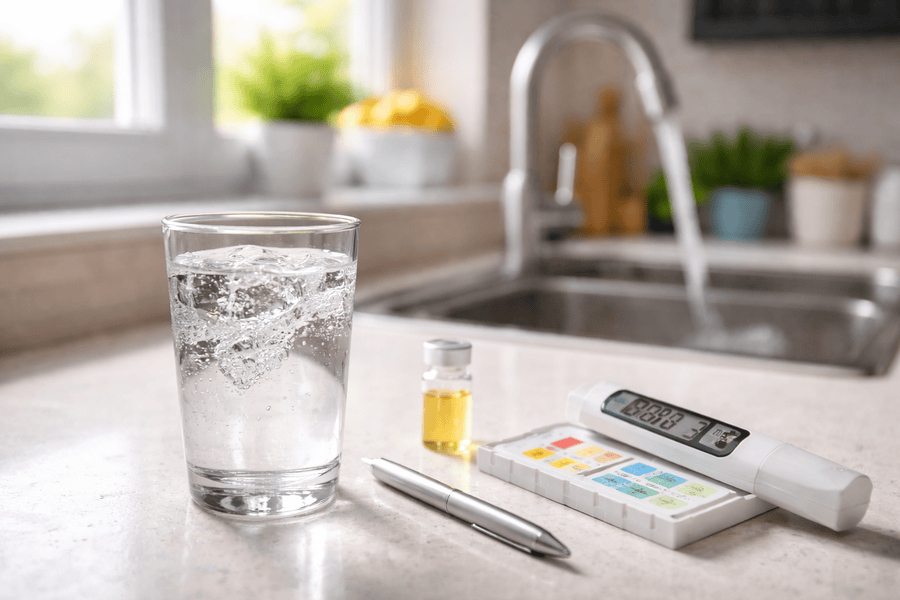
When should you test your water? Knowing when can help you make informed decisions without wasting time or money on unnecessary testing. While many homes don’t need frequent water testing, … Read more
Practical Sustainability for Everyday Homes
When should you test your water? Knowing when can help you make informed decisions without wasting time or money on unnecessary testing. While many homes don’t need frequent water testing, … Read more
Choosing between at-home vs lab water tests isn’t about which option is better—it’s about selecting the right test for your situation. At-home kits can quickly screen for common water quality … Read more
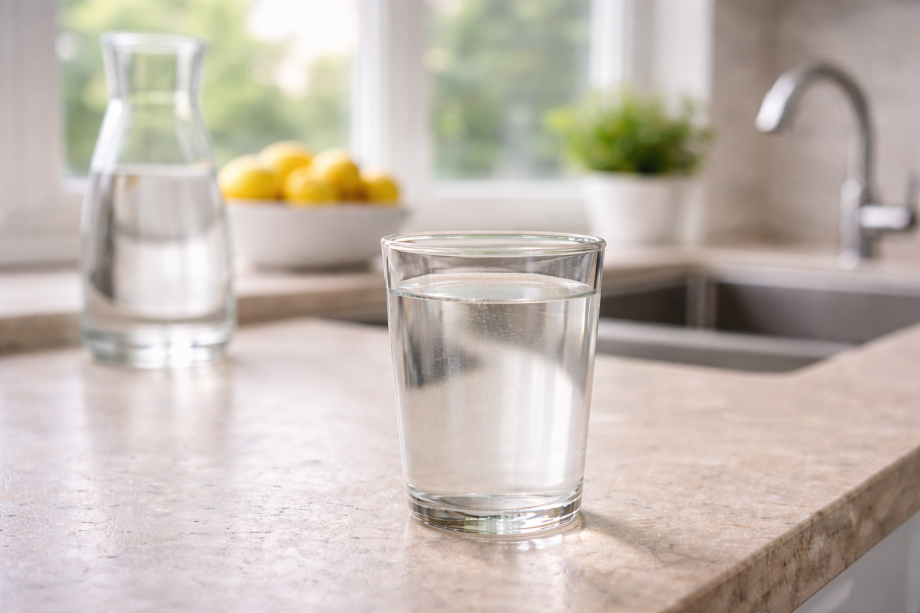
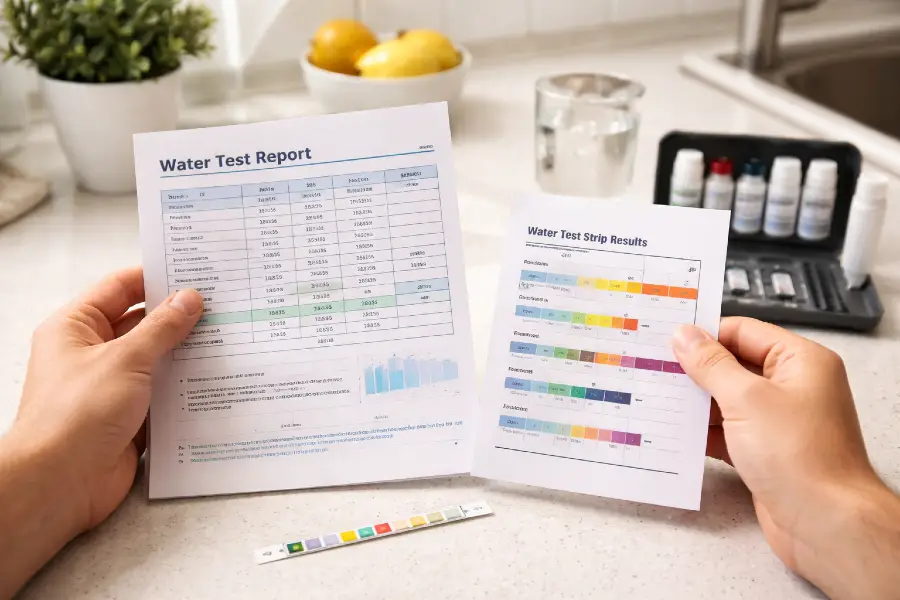
What Does ND Mean on a Water Test Report is a common question when a laboratory result shows those two letters instead of a number. In most cases, ND means … Read more
Learning how to read a CCR water report helps you understand what your public water system tested, what it found, and whether any results exceeded regulatory limits. You do not … Read more
Water Hardness Test Results Explained starts with understanding what numbers like 7 gpg or 140 ppm actually tell you about your water. These results measure hardness minerals—primarily calcium and magnesium—and … Read more
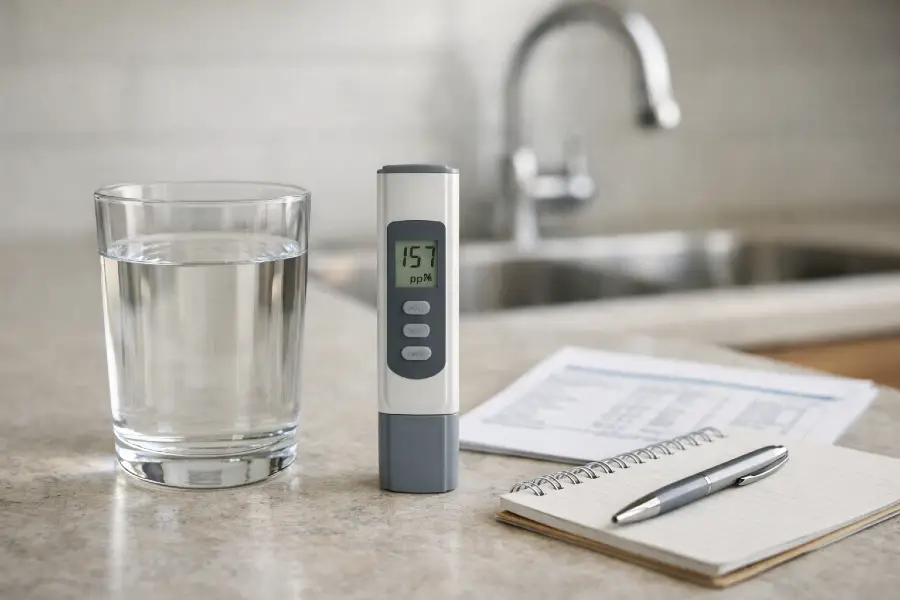
How to Interpret TDS on a Water Test starts with understanding what the number actually represents. TDS stands for Total Dissolved Solids, and the reading gives you a combined measurement … Read more
What Does ppm Mean on a Water Test is one of the first questions you may have when looking at water test results. Ppm stands for parts per million, and … Read more
Understanding municipal vs well water testing starts with knowing where your water comes from. While both municipal water and private well water can provide safe, reliable drinking water, they’re monitored … Read more
When You Don’t Need to Test Your Water depends less on a fixed testing schedule and more on what you already know about your water, your water source, and the … Read more
Why Water Test Results Vary often comes down to differences in where, when, and how the water sample was collected and tested. If you’ve tested the same water twice and … Read more
“What water filters do NOT remove?” is one of the smartest questions you can ask before buying anything. A lot of people assume a filter is a universal fix — … Read more
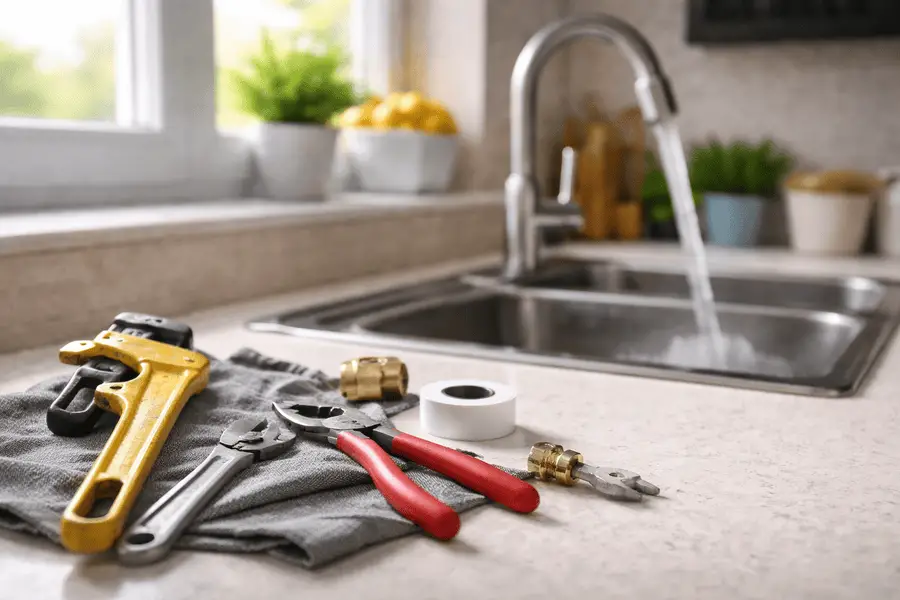
Tap water after plumbing work often looks, tastes, or smells a little different, and that’s usually normal. Plumbing repairs can temporarily introduce air into the pipes, disturb harmless sediment, or … Read more
How Often Should You Test Your Tap Water? The answer depends on your home’s water source, plumbing, and whether anything has changed recently. While most households don’t need to test … Read more
Why Tap Water Quality Changes Over Time comes down to something easy to overlook: the water reaching your faucet is influenced by its source, treatment, distribution system, and your own … Read more
Sustainability goals explained sounds big and global (and yeah, sometimes a little fuzzy). But at their core, they’re simply clear targets meant to help us live, build, and grow without … Read more
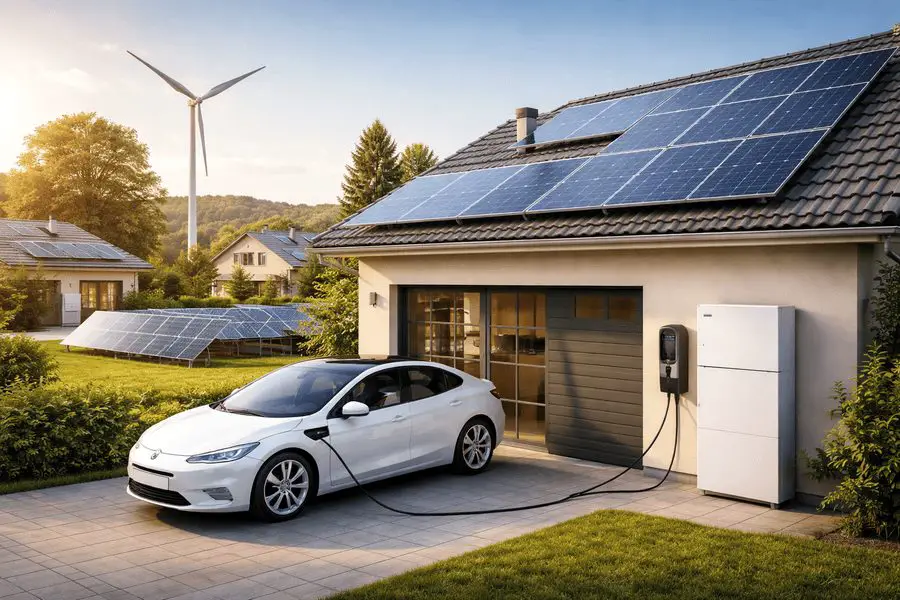
Distributed Energy Resources (DERs) are the “behind-the-scenes” reason renewables are getting easier to scale. If you’ve ever wondered how rooftop solar, home batteries, EV charging, and smart grids all fit … Read more
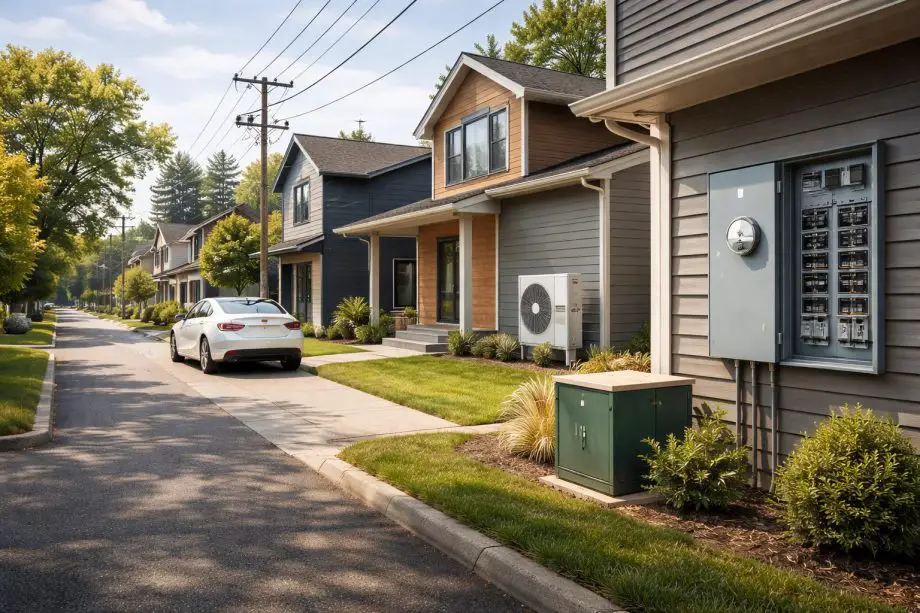
Electrification sounds like a fancy word, but the idea is simple: stop burning fuel for everyday things and use electricity instead. That means swapping gas cars for electric vehicles, swapping … Read more
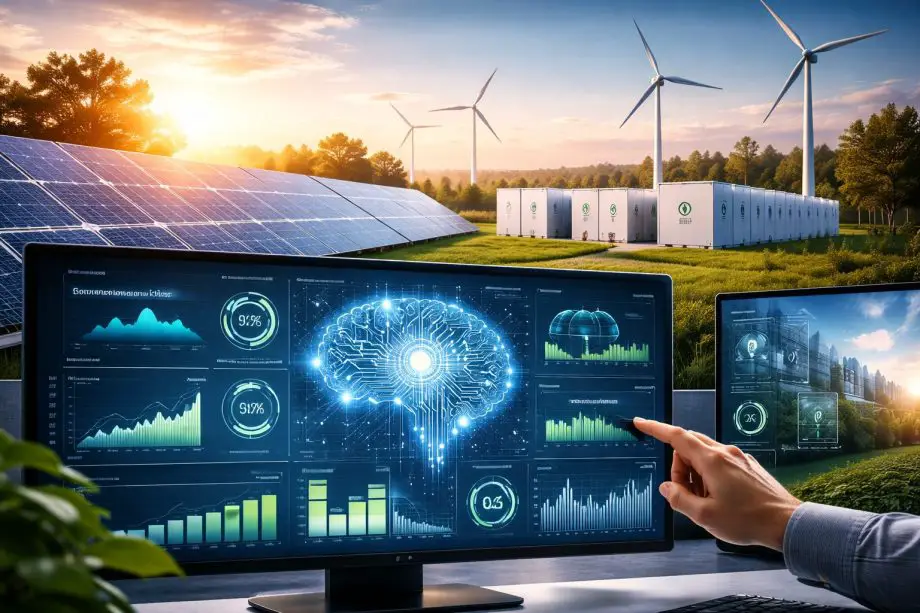
AI in renewable energy isn’t about robots “saving the planet.” It’s about using better data and smarter forecasting so solar, wind, storage, and the grid work together smoothly — even … Read more
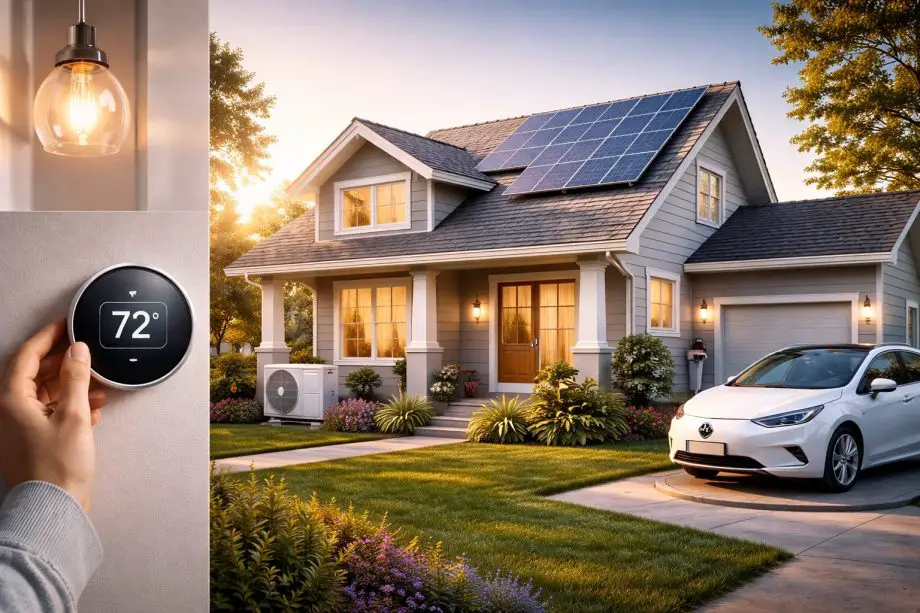
Energy efficiency is clean energy you don’t have to generate, store, or transmit. If you want faster emissions cuts and lower bills, this is where you start. ✅ Start Here … Read more
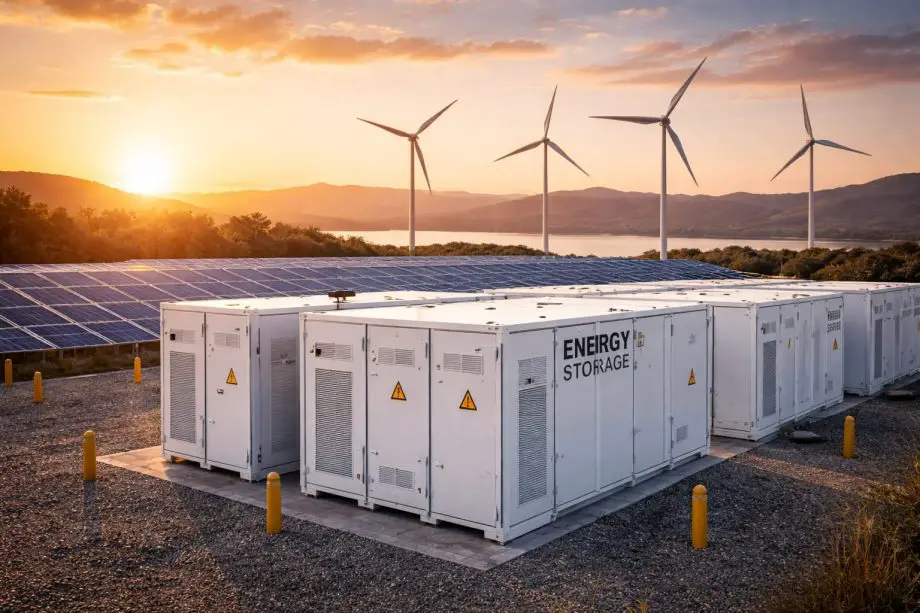
✅ Start Here If you’ve ever thought, “Solar and wind are great, but what happens when the sun goes down or the wind stops?” — you’re thinking about energy storage. … Read more
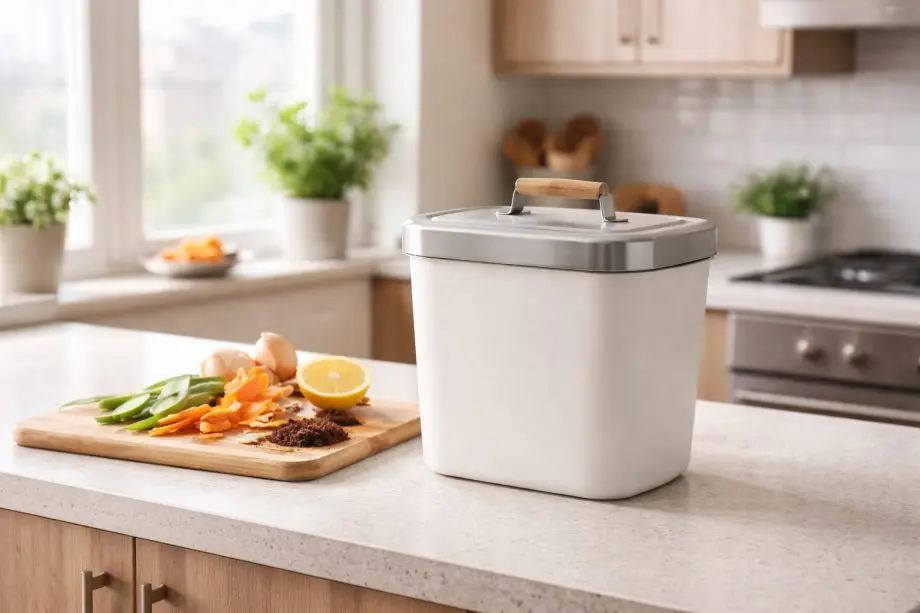
If your trash can fills up faster than you’d like, the kitchen is almost always the reason. Food packaging, paper towels, forgotten leftovers, and impulse purchases quietly add up — … Read more
Composting at home sounds simple until you picture smells bugs or a pile of rotting food in the corner. That fear alone stops a lot of people before they ever … Read more
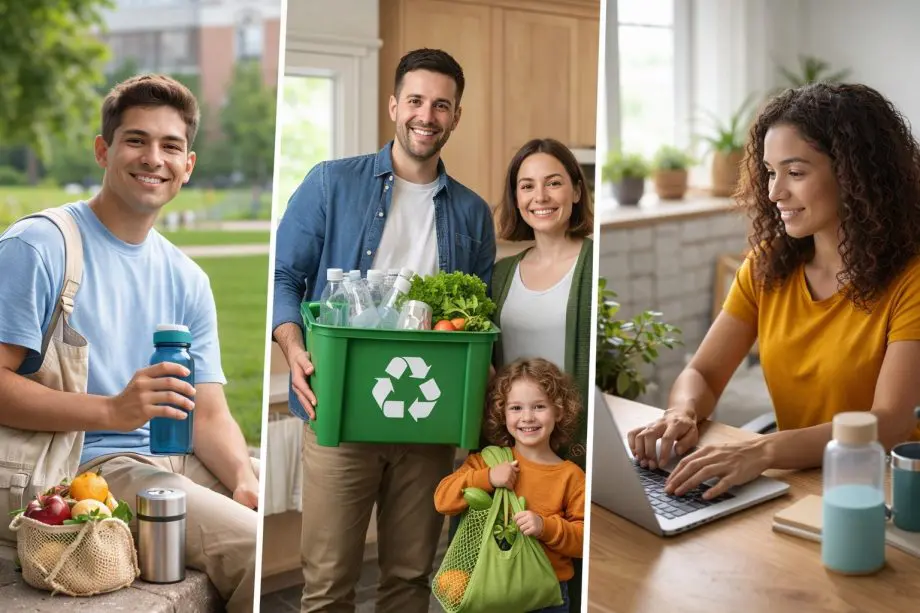
Sustainable living for different lifestyles often gets presented as a single lifestyle with a single set of rules. That version usually assumes you own a home have extra time and … Read more
Conscious consumption and ethical choices often get framed as caring about everything all at once. That version feels heavy and unrealistic for most people. When every purchase feels like a … Read more
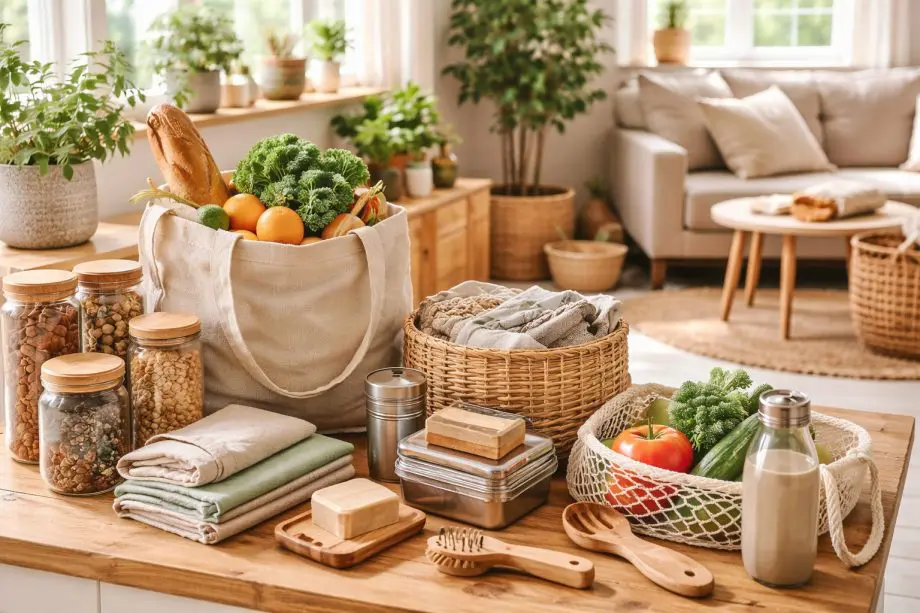
🏡 Introduction: Why Zero Waste Starts at Home If you’ve ever taken out the trash and thought, “How did we make this much?” you’re not imagining things. Modern life produces … Read more
Why Does My Tap Water Taste Weird is a common question when water suddenly tastes metallic, bitter, chemical, salty, or simply different from what you’re used to. The taste can … Read more
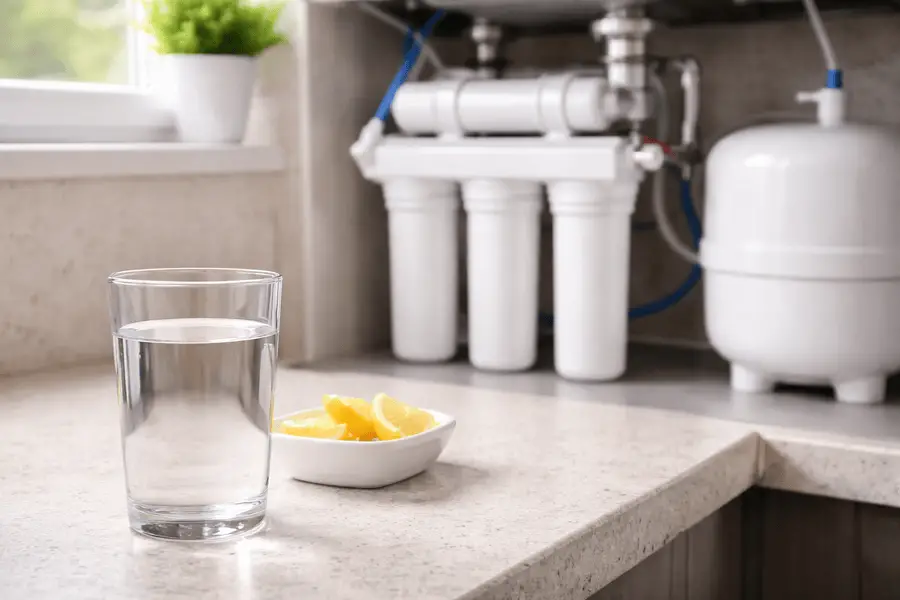
Water filters are often talked about like a cure-all — but in reality, no filter removes everything. Different filters are designed to target different issues, and understanding those limits helps … Read more
Water filters can feel like a black box. You install something, water goes in, water comes out, and you’re supposed to trust that it’s “better.” But what is a filter … Read more
What is in tap water? Although it may look clear, tap water contains much more than just H2O. Most drinking water includes naturally occurring minerals, disinfectants added during treatment, and … Read more
Is tap water safe to drink? For most households, the answer is yes—but “safe” doesn’t necessarily mean perfect. Drinking water can have a noticeable taste, smell, or appearance while still … Read more