Distributed Energy Resources (DERs) are the “behind-the-scenes” reason renewables are getting easier to scale.
If you’ve ever wondered how rooftop solar, home batteries, EV charging, and smart grids all fit together, this guide is your missing puzzle piece.
In this post, you’ll learn what counts as a DER, why utilities care so much about them, and how they make renewable energy more reliable (without turning your brain into a circuit board).
This is a systems-level guide for beginners — clear definitions, real examples, and a practical view of what DERs mean for your home, your community, and the power grid.
📦 What You’ll Learn
-
- ✅ What “Distributed Energy Resources” means in plain English
- ✅ The most common types of DERs (solar, batteries, EVs, demand response, microgrids)
- ✅ How DERs work with smart grids and energy storage to keep power stable
- ✅ The big benefits (resilience, lower peak demand, cleaner energy)
- ✅ The tradeoffs (coordination, equity, cybersecurity, regulation)
What Are Distributed Energy Resources (DERs)? ⚡
DERs in one sentence (beginner definition) 🧠
- ✅ DERs are small, local energy assets that generate, store, or manage electricity close to where it’s used.
- ✅ Many DERs live “behind the meter,” meaning they sit on your property or building side of the grid connection.
DERs vs centralized power (why this shift matters) 🏭➡️🏡
- Traditional model: big power plants → long-distance transmission → homes and buildings.
- DER model: local generation + local flexibility + smarter coordination.
- DERs don’t replace the grid — they change how the grid behaves.
Quick examples you’ve probably seen already 👀
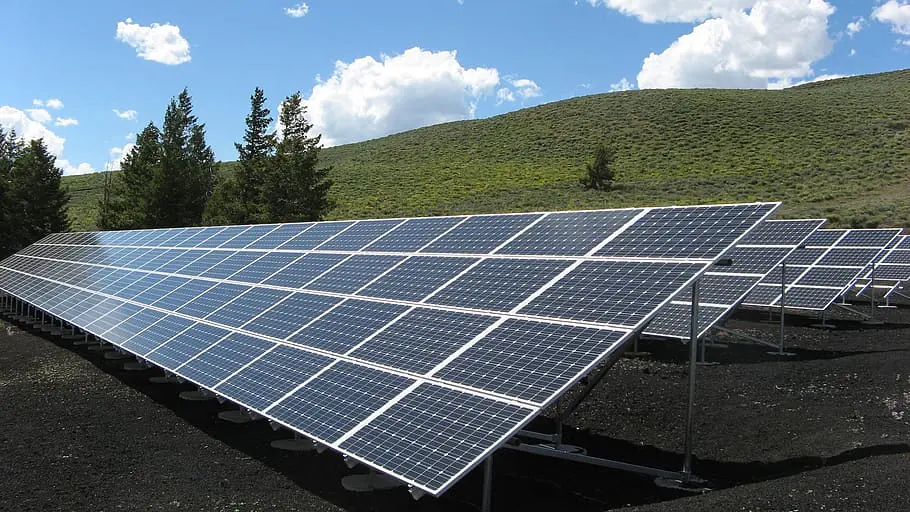
- 🏠 Rooftop solar panels
- 🔋 Home battery storage
- 🚗 EV charging (especially smart charging)
- 🌡️ Smart thermostats + flexible loads
- 🏘️ Community solar + neighborhood microgrids
The Main Types of DERs (and what they actually do) 🧩
1) Distributed generation (making power locally) ☀️🌬️
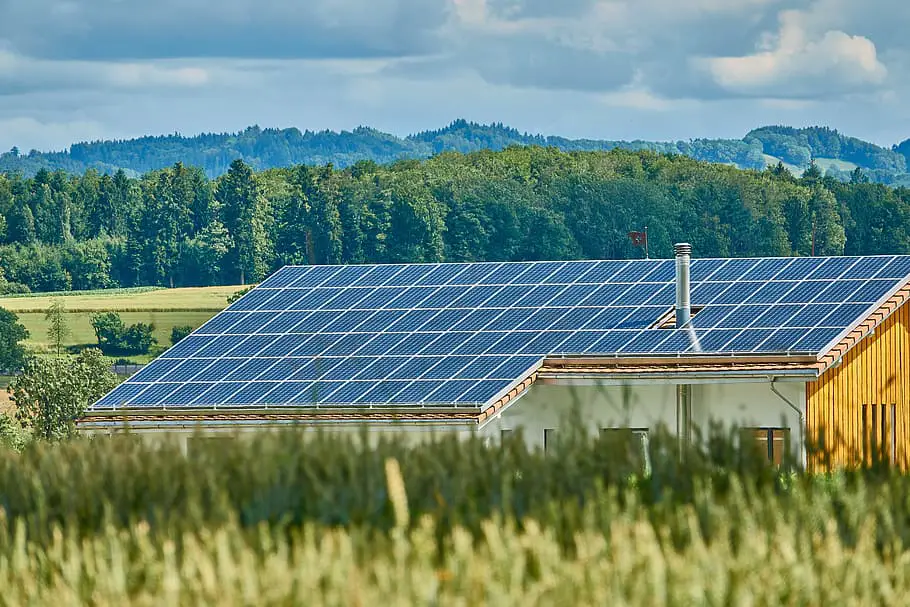
- Rooftop solar: produces electricity where it’s used first
- Small wind: location-dependent, often rural or commercial
- CHP (combined heat and power): common in hospitals and campuses (not renewable, but can be a DER)
2) Distributed storage (saving power for later) 🔋
- Home batteries: backup + bill savings + load shifting
- Commercial batteries: peak shaving + grid support
- Why storage matters most: it turns “variable” renewables into “usable when needed” power
👉 We break this down here: Energy Storage Explained
3) Flexible load (using energy at smarter times) ⏱️
- Demand response: reducing or shifting usage during peak demand
- Smart thermostats + heat pumps: heating/cooling can be timed intelligently
- Water heaters: surprisingly powerful “hidden” flexibility
4) EVs as grid assets (the beginner-friendly version) 🚗🔌
- Smart charging: charge when electricity is cleaner/cheaper
- Vehicle-to-home (V2H): EV powers your home during an outage (where supported)
- Vehicle-to-grid (V2G): EV supports the grid (still growing, not everywhere)
👉 We break this down here: Electrification Explained: The Clean Power Shift
5) Microgrids and community energy (local resilience) 🏘️
- Microgrids can “island” during outages and keep key loads running
- Community solar shares clean generation without needing rooftop access
👉 We break this down here: Community-Led Clean Energy
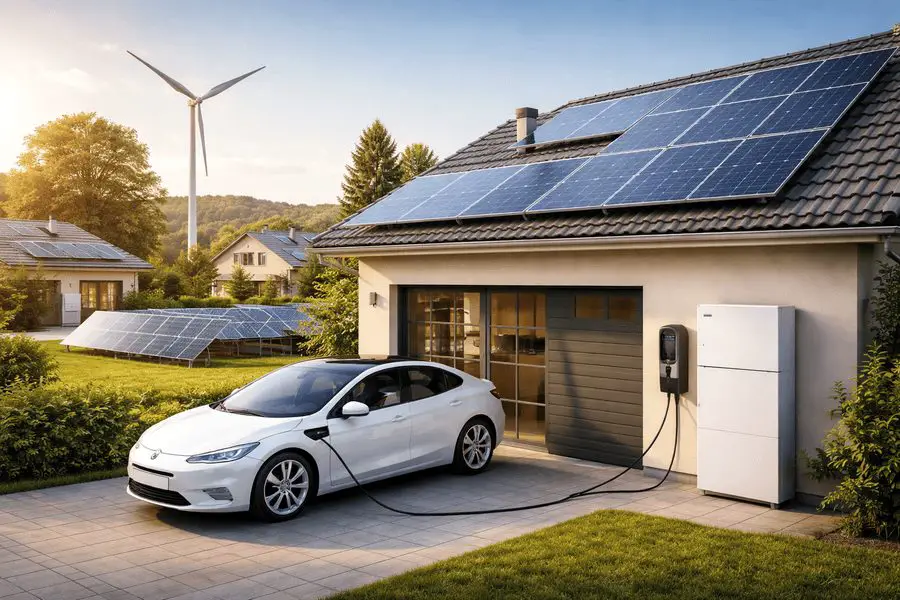
How DERs work together (the simple “stack”) 🧱
- ☀️ Solar generates power
- 🔋 Batteries store extra power
- ⏱️ Flexible loads shift usage
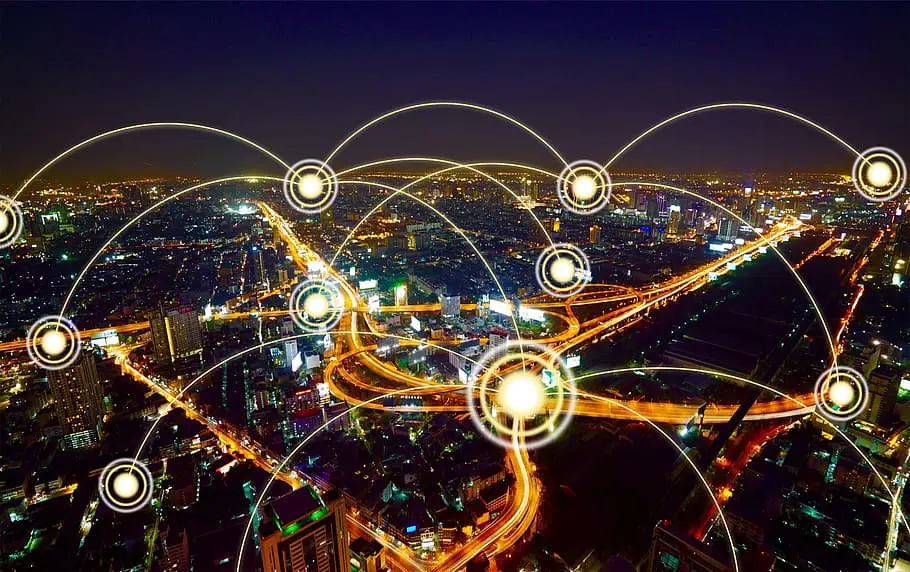
- 🧠 Smart grid tech coordinates it all
👉 We break this down here: Smart Grids in Clean Energy
Part 3: Why DERs Matter (Benefits, tradeoffs, and what’s next) 🌍
Big benefits of DERs ✅
- 🛡️ Better resilience during outages (especially with batteries + microgrids)
- 📉 Lower peak demand, which reduces strain on the grid
- 🌱 Cleaner electricity by using renewables more efficiently
- 💡 More local control (homes, businesses, and communities can participate)
Real challenges (and why coordination matters) ⚠️
- ⚙️ Grid complexity: many small assets are harder to manage than a few big plants
- 🔐 Cybersecurity and data privacy concerns as systems become more digital
- 🏘️ Equity: not everyone can afford solar + batteries (community models help)
- 📜 Policy and utility rules vary widely by state/region
DER aggregation and virtual power plants (VPPs) 🧠
- A VPP groups many DERs together so they act like a single grid resource
- This is where DERs start to feel “big” and grid operators pay attention
How DERs connect to your Renewable Energy Sources category 🔗
- DERs help renewable sources work reliably at the neighborhood and building level
- They reduce the need for fossil “peaker plants” by shifting demand and adding storage
- They make the grid more flexible — which is what high-renewable futures require
👉 Parent pillar link: Green Technology Innovation: Game-Changing Tech Behind Renewable Energy
Conclusion: Distributed Energy Resources Explained ✅
- DERs aren’t one technology — they’re a coordinated “team” of local energy assets.
- If renewables are the fuel, DERs are the system that makes them usable when you need them.
- Your next step: explore storage + smart grids first, then come back and see how the full system connects.
New energy policies, cost-effective technologies, and customer preferences for electric transportation and clean energy are transforming power system planning and operations https://www.energy.gov/topics/distributed-energy-resources
Clean Energy Sources: A Comprehensive Guide
FAQs About Distributed Energy Resources
What counts as a distributed energy resource (DER)?
DERs include small-scale energy assets that generate, store, or manage electricity near where it’s used. Common examples include rooftop solar, batteries, EV charging, demand response, and microgrids.
Are DERs the same as renewable energy?
No. Many DERs are renewable (like rooftop solar), but DERs also include storage, flexible loads, and management technologies that help the grid operate more efficiently.
How do DERs help the power grid?
DERs can reduce peak demand, support reliability, and improve resilience by generating power locally, shifting usage, and providing stored energy when needed.
What is the difference between a microgrid and DERs?
DERs are individual assets like solar panels or batteries. A microgrid is a system that can coordinate multiple DERs and, in some cases, operate independently during outages.
Do DERs lower electricity bills?
They can. Savings depend on local electricity rates, incentives, and how the DER is used (for example, using batteries for peak shaving or charging an EV during off-peak hours).
What is a virtual power plant (VPP)?
A virtual power plant is a network of DERs that are coordinated to behave like a single power resource, helping balance the grid and reduce strain during high-demand periods.