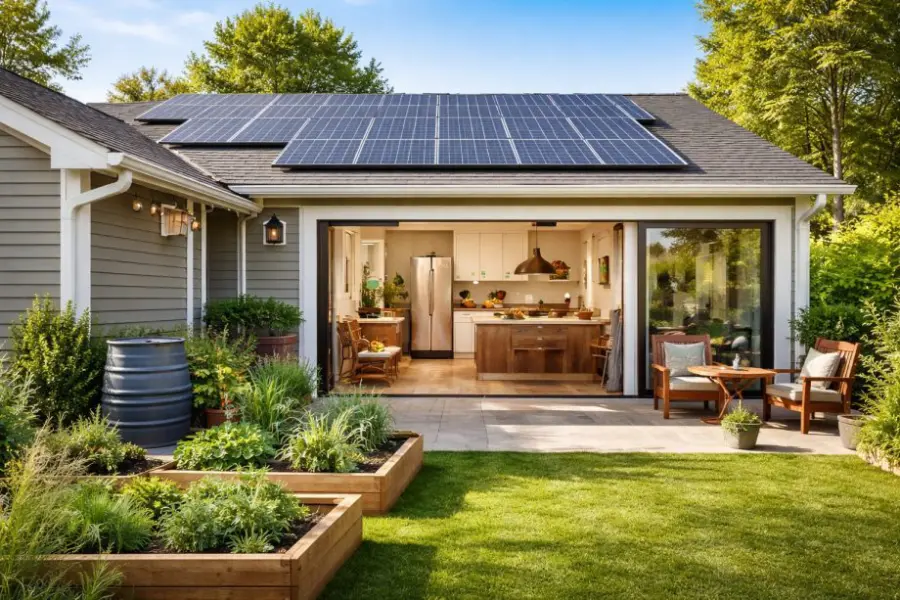
If you want a greener lifestyle, your home is one of the easiest places to make changes that actually stick.
And the best part? Sustainable home upgrades aren’t just “good for the planet” — they can make your space more comfortable, lower your monthly bills, and cut down on waste in a way you’ll feel every day.
This guide is all about high-impact upgrades (from simple swaps to bigger improvements) without turning into a massive DIY manual.
Think of it like a smart roadmap: you’ll learn what matters most, what to prioritize, and how to choose upgrades that fit your home, budget, and lifestyle.
📦 What You’ll Learn in This Guide
- 🌱 What sustainable home upgrades really mean (and which ones matter most)
- ⚡ How energy, insulation, appliances, and daily systems work together
- 🚿 Where homes waste the most water — and how to reduce it without sacrificing comfort
- 🍽️ Why the kitchen is one of the highest-impact places to upgrade sustainably
- 🧭 How to choose the right upgrades first based on your home, budget, and lifestyle
- ⚠️ Common beginner mistakes that waste money, energy, and motivation
🔗 Explore Sustainable Living Guides
- 🌿 Sustainable Living Ideas Pillar
- ♻️ Zero Waste at Home Simple Changes That Reduce Trash and Stress
- 🍽️ Low Waste Kitchen Ideas
- 🌱 Composting at Home What Actually Works Even in Apartments
- 🥕 Sustainable Food Choices at Home What Actually Makes a Difference
- 🧭 Sustainable Living for Different Lifestyles What Actually Works
- 🛍️ Conscious Consumption and Ethical Choices What Actually Matters
- 🏠 Sustainable Home Upgrades Easy Changes That Cut Waste and Bills
🌱 What Are Sustainable Home Upgrades?
Sustainable home upgrades are improvements that help your home use fewer resources over time — especially energy and water — while reducing waste and keeping indoor comfort high.
They usually fall into a few broad buckets:
- ✅ Energy upgrades (reduce heating/cooling and electricity use)
- ✅ Water upgrades (cut unnecessary indoor/outdoor water waste)
- ✅ Kitchen upgrades (waste reduction + efficient appliances + better systems)
- ✅ Comfort upgrades (insulation, sealing, and smarter controls)
One important mindset shift: sustainable doesn’t mean “do everything.” The best upgrade plan is layered — you do a few high-impact changes first, then build from there.
🔋 Why Home Upgrades Matter for Sustainable Living
Most households waste resources in the same predictable places: heating and cooling losses, older appliances, inefficient lighting, and everyday habits that quietly add up.
When you upgrade your home, you’re not just “trying harder” — you’re improving the system itself. That’s why home upgrades are such a powerful sustainability move:
- 💡 They compound. Small efficiency improvements keep paying off month after month.
- 🏠 They improve comfort. A well-sealed, well-insulated home feels better in every season.
- 💵 They can reduce bills. Many upgrades lower energy and water costs immediately.
- 🧠 They reduce mental load. You don’t have to “remember” to be sustainable as often.
If you’re also working on lifestyle habits, you might like this pillar page for context: Sustainable Living Ideas.
⚡ Energy-Saving Home Upgrades (Big Impact, Long-Term Wins)
If you want the most “bang for your buck,” start with energy. For many homes, the biggest energy drains are:
- 🔥 Heating
- ❄️ Cooling
- 🔌 Appliances + electronics
- 💡 Lighting
Here’s the key idea: you usually get better results by reducing energy demand first (insulation/sealing), then upgrading the equipment (HVAC/appliances). Doing it in that order keeps you from overspending on bigger systems you might not need.
💡 Upgrade #1: Energy-Efficient Lighting (Simple, Fast Win)
Lighting is rarely the biggest part of your bill, but it’s one of the easiest improvements to lock in. Efficient lighting also creates less heat, which can reduce cooling needs during warm months.
- 💡 Efficient bulbs typically last longer, which reduces replacement waste.
- 🌿 Less energy used means fewer emissions tied to electricity generation.
- 🏠 A consistent lighting setup can improve the feel of your home (not just the bill).
If you want more household energy ideas beyond upgrades, see: 10 Energy Saving Tips for Homeowners.
🔌 Upgrade #2: Energy-Efficient Appliances (Target the Biggest Offenders)
Appliances are a quiet “background drain.” If yours are older, they can keep consuming extra electricity every day, even when nothing feels wrong.
High-impact appliance targets:
- 🧊 Refrigerator (always running, year-round)
- 🧺 Washer + dryer (especially heavy-use households)
- 🍽️ Dishwasher (water + energy + heat)
- 🌡️ Heating/cooling equipment (often the biggest energy slice)
A practical way to think about it: replace what runs the most or what costs the most to operate — not what looks the most outdated.
🧱 Insulation & Sealing: The Invisible Upgrade Most Homes Need
If you only remember one thing from this post, make it this:
Insulation and air sealing often beat “new appliances” for real-world savings.
Why? Because energy loss is like a leaky bucket. If your home leaks heat in winter (or loses cool air in summer), you can upgrade equipment all day and still waste energy.
❄️ Why Insulation Matters (Comfort First, Savings Second)
Good insulation keeps indoor temperatures stable. That means:
- 🔥 Your home holds heat longer in winter
- ❄️ Your home holds cool air longer in summer
- 🌡️ Your heating/cooling system works less (and lasts longer)
It’s not glamorous, but it’s the upgrade that makes everything else work better.
🚪 Common “Leak Points” That Quietly Waste Energy
Most homes lose energy through the same trouble spots:
- 🏠 Attics and crawl spaces
- 🪟 Windows and door gaps
- 🧱 Poorly sealed vents and ducts
- 🚪 Drafty exterior doors (and garage entry doors)
You don’t need to become an expert overnight. The sustainable move is simply recognizing that “comfort problems” (drafts, cold rooms, hot upstairs) are usually efficiency problems too.
❄️ Sustainable Winter Energy Upgrades (When Bills Spike)
Winter is where many households feel the pain. When temperatures drop, it’s easy to crank the heat and accept the bill as “normal.” But winter is also the best season to notice what your home is struggling with.
🔥 Heating Efficiency: The Big Lever
Heating is often the largest energy use in colder months. Sustainable winter upgrades tend to focus on:
- 🔥 Reducing heat loss (insulation + sealing)
- 🌡️ Improving control (thermostat settings and schedules)
- 🧰 Keeping systems efficient (basic maintenance and airflow)
You can also build a “winter efficiency stack” that doesn’t require major renovation:
- 🪟 Window coverings that reduce heat loss
- 🚪 Draft reduction at doors and entry points
- 🧣 Comfort-first habits (warm layers, targeted room heating choices)
If you want the bigger sustainability picture behind home energy, this pairs well with: How To Reduce Carbon Footprint At Home.
🚿 Water-Saving Home Upgrades (Easy, Underrated Wins)
Water conservation is one of those upgrades that feels small… until you realize how often water is used every day. The sustainable goal is to reduce “waste water” — the water that doesn’t really add comfort or quality of life.
💧 Low-Flow Fixtures (Without the “Weak Shower” Fear)
Many households avoid low-flow upgrades because they imagine a miserable trickle. The reality is that many modern fixtures are designed to reduce waste while keeping comfort strong.
- 🚿 Showerheads
- 🚰 Faucets (especially bathroom sinks)
- 🚽 Toilets (major water use over time)
If you want broader daily-life water-saving habits, link this related guide: Ways to Conserve Water in Daily Life.
🌿 Outdoor Water Efficiency (If You Have a Yard or Garden)
Outdoor water use can be a big chunk of household water — especially in warmer months. Sustainable upgrades here don’t have to be complicated. The biggest wins usually come from:
- 🌧️ Capturing natural water where possible
- 🕒 Water timing and efficiency awareness
- 🌱 Plant choices that don’t require constant watering
Even small adjustments can reduce waste without sacrificing a healthy outdoor space.
🍽️ Sustainable Kitchen Upgrades (Where Waste Adds Up Fast)
The kitchen is one of the best places to upgrade because it’s where energy, water, food waste, and packaging all collide.
If your home sustainability journey feels overwhelming, the kitchen is a great “start small” zone because changes are visible and easy to repeat.
🔌 Kitchen Appliance Efficiency
Kitchen appliances run often and generate heat. When they’re inefficient, they quietly waste energy every week.
- 🧊 Efficient refrigerators are a long-term win
- 🍽️ Dishwashers can reduce water waste when used efficiently
- 🔥 Cooking setups can be optimized for less wasted heat
Related deep dive: Creating a Sustainable Kitchen.
♻️ Waste-Reducing Kitchen Systems (Not “Perfect,” Just Better)
Kitchen sustainability is often less about gadgets and more about systems:
- 🥕 Storage systems that help food last longer
- 🗑️ Clear separation for trash, recycling, and compost (if you do compost)
- 🧃 Reusable containers that reduce single-use packaging
If you’re working on food waste specifically, this pairs well with: How to Reduce Food Waste at Home and Ways to Reduce Food Waste in the Kitchen.
🧭 How to Choose the Right Upgrades (Decision Tree Style)
If you’re staring at a long list of upgrades and thinking, “Okay… but what should I do first?” — use this quick decision tree.
✅ Step 1: Are You a Renter or Homeowner?
- 🏢 Renter: Focus on portable upgrades (kitchen systems, habits, small efficiency changes, water-saving fixtures if allowed).
- 🏠 Homeowner: You can prioritize insulation, sealing, appliances, and bigger efficiency improvements.
✅ Step 2: What’s Your Biggest Pain Point?
- 🥶 Cold rooms / drafts in winter → Insulation + sealing
- 💸 High energy bills → Heating/cooling efficiency + appliance targets
- 🚿 High water bills → Low-flow + daily-use hotspots
- 🗑️ Too much trash → Kitchen systems + packaging reduction
✅ Step 3: Pick Your “First Layer” Upgrade
- ⭐ Low effort: lighting + basic water efficiency + kitchen waste systems
- ⭐ Medium effort: appliance replacement planning + insulation/sealing evaluation
- ⭐ High effort: major heating/cooling upgrades and deeper home performance improvements
The goal isn’t to do everything. The goal is to choose one layer that makes the next layer easier.
⚠️ Common Mistakes Beginners Make (That Cost Money and Momentum)
This is where a lot of people get stuck — not because they don’t care, but because they do the upgrades in an order that feels logical… but doesn’t perform well.
- 🚫 Replacing appliances before fixing drafts. If your home leaks heat/cool air, new equipment still has to work harder.
- 🚫 Chasing “green trends” instead of solving your biggest waste. Your best upgrade is the one that fixes your real-world pain point.
- 🚫 Trying to upgrade everything at once. That’s how you burn out and abandon the plan.
- 🚫 Assuming sustainable always means expensive. Many high-impact upgrades are simple systems, not high-tech gadgets.
- 🚫 Not linking upgrades to habits. Efficiency works best when your routines support it.
If you want a sustainability approach that’s “progress over perfection,” this post also pairs well with: Sustainable Living Tips for Beginners.
🔮 The Future of Sustainable Homes (Where This Is Going)
Sustainable housing is moving toward “performance.” In other words: it’s becoming less about trendy features and more about how efficiently a home uses energy and water while staying comfortable.
Here are a few trends that make sustainable home upgrades more accessible than ever:
- 📈 Smarter controls: homes that manage energy use more automatically
- 🔧 Efficiency-first remodeling: insulation and sealing becoming more standard
- 🌿 Kitchen waste systems: composting, storage, and packaging reduction becoming mainstream
- 💧 Water efficiency focus: low-flow and conservation becoming normal, not niche
The “future home” isn’t necessarily a futuristic home. It’s a home that wastes less — quietly — every day.
✅ Final Thoughts: Sustainable Homes Are Built in Layers
You don’t need a full remodel to build a more sustainable home. The best approach is layered:
- 🏁 Start with one high-impact category (energy, water, or kitchen systems)
- 🧱 Add a second layer once the first feels normal
- 📌 Keep it realistic — upgrades should fit your life, not fight it
If you want a simple next step, pick one of these based on what you care about most:
- ⚡ Focus on energy: Energy Saving Tips for Homeowners
- 💧 Focus on water: Ways to Conserve Water in Daily Life
- 🍽️ Focus on the kitchen: Creating a Sustainable Kitchen
- 🌎 Bigger picture: Reduce Carbon Footprint at Home
Make one upgrade. Let it become normal. Then stack the next. That’s how sustainable living becomes real life — not just a goal.
If you want a greener lifestyle, your home is one of the easiest places to make changes that actually stick.
🌱 What Are Sustainable Home Upgrades?
Sustainable home upgrades are improvements that help your home use fewer resources over time — especially energy and water — while reducing waste and keeping indoor comfort high.
They usually fall into a few broad buckets:
- ✅ Energy upgrades (reduce heating/cooling and electricity use)
- ✅ Water upgrades (cut unnecessary indoor/outdoor water waste)
- ✅ Kitchen upgrades (waste reduction + efficient appliances + better systems)
- ✅ Comfort upgrades (insulation, sealing, and smarter controls)
One important mindset shift: sustainable doesn’t mean “do everything.” The best upgrade plan is layered — you do a few high-impact changes first, then build from there.
🔋 Why Home Upgrades Matter for Sustainable Living
Most households waste resources in the same predictable places: heating and cooling losses, older appliances, inefficient lighting, and everyday habits that quietly add up.
When you upgrade your home, you’re not just “trying harder” — you’re improving the system itself. That’s why home upgrades are such a powerful sustainability move:
- 💡 They compound. Small efficiency improvements keep paying off month after month.
- 🏠 They improve comfort. A well-sealed, well-insulated home feels better in every season.
- 💵 They can reduce bills. Many upgrades lower energy and water costs immediately.
- 🧠 They reduce mental load. You don’t have to “remember” to be sustainable as often.
If you’re also working on lifestyle habits, you might like this pillar page for context: Sustainable Living Ideas.
⚡ Energy-Saving Home Upgrades (Big Impact, Long-Term Wins)
If you want the most “bang for your buck,” start with energy. For many homes, the biggest energy drains are:
- 🔥 Heating
- ❄️ Cooling
- 🔌 Appliances + electronics
- 💡 Lighting
Here’s the key idea: you usually get better results by reducing energy demand first (insulation/sealing), then upgrading the equipment (HVAC/appliances). Doing it in that order keeps you from overspending on bigger systems you might not need.
💡 Upgrade #1: Energy-Efficient Lighting (Simple, Fast Win)
Lighting is rarely the biggest part of your bill, but it’s one of the easiest improvements to lock in. Efficient lighting also creates less heat, which can reduce cooling needs during warm months.
- 💡 Efficient bulbs typically last longer, which reduces replacement waste.
- 🌿 Less energy used means fewer emissions tied to electricity generation.
- 🏠 A consistent lighting setup can improve the feel of your home (not just the bill).
If you want more household energy ideas beyond upgrades, see: 10 Energy Saving Tips for Homeowners.
🔌 Upgrade #2: Energy-Efficient Appliances (Target the Biggest Offenders)
Appliances are a quiet “background drain.” If yours are older, they can keep consuming extra electricity every day, even when nothing feels wrong.
High-impact appliance targets:
- 🧊 Refrigerator (always running, year-round)
- 🧺 Washer + dryer (especially heavy-use households)
- 🍽️ Dishwasher (water + energy + heat)
- 🌡️ Heating/cooling equipment (often the biggest energy slice)
A practical way to think about it: replace what runs the most or what costs the most to operate — not what looks the most outdated.
🧱 Insulation & Sealing: The Invisible Upgrade Most Homes Need
If you only remember one thing from this post, make it this:
Insulation and air sealing often beat “new appliances” for real-world savings.
Why? Because energy loss is like a leaky bucket. If your home leaks heat in winter (or loses cool air in summer), you can upgrade equipment all day and still waste energy.
❄️ Why Insulation Matters (Comfort First, Savings Second)
Good insulation keeps indoor temperatures stable. That means:
- 🔥 Your home holds heat longer in winter
- ❄️ Your home holds cool air longer in summer
- 🌡️ Your heating/cooling system works less (and lasts longer)
It’s not glamorous, but it’s the upgrade that makes everything else work better.
🚪 Common “Leak Points” That Quietly Waste Energy
Most homes lose energy through the same trouble spots:
- 🏠 Attics and crawl spaces
- 🪟 Windows and door gaps
- 🧱 Poorly sealed vents and ducts
- 🚪 Drafty exterior doors (and garage entry doors)
You don’t need to become an expert overnight. The sustainable move is simply recognizing that “comfort problems” (drafts, cold rooms, hot upstairs) are usually efficiency problems too.
❄️ Sustainable Winter Energy Upgrades (When Bills Spike)
Winter is where many households feel the pain. When temperatures drop, it’s easy to crank the heat and accept the bill as “normal.” But winter is also the best season to notice what your home is struggling with.
🔥 Heating Efficiency: The Big Lever
Heating is often the largest energy use in colder months. Sustainable winter upgrades tend to focus on:
- 🔥 Reducing heat loss (insulation + sealing)
- 🌡️ Improving control (thermostat settings and schedules)
- 🧰 Keeping systems efficient (basic maintenance and airflow)
You can also build a “winter efficiency stack” that doesn’t require major renovation:
- 🪟 Window coverings that reduce heat loss
- 🚪 Draft reduction at doors and entry points
- 🧣 Comfort-first habits (warm layers, targeted room heating choices)
If you want the bigger sustainability picture behind home energy, this pairs well with: How To Reduce Carbon Footprint At Home.
🚿 Water-Saving Home Upgrades (Easy, Underrated Wins)
Water conservation is one of those upgrades that feels small… until you realize how often water is used every day. The sustainable goal is to reduce “waste water” — the water that doesn’t really add comfort or quality of life.
💧 Low-Flow Fixtures (Without the “Weak Shower” Fear)
Many households avoid low-flow upgrades because they imagine a miserable trickle. The reality is that many modern fixtures are designed to reduce waste while keeping comfort strong.
- 🚿 Showerheads
- 🚰 Faucets (especially bathroom sinks)
- 🚽 Toilets (major water use over time)
If you want broader daily-life water-saving habits, link this related guide: Ways to Conserve Water in Daily Life.
🌿 Outdoor Water Efficiency (If You Have a Yard or Garden)
Outdoor water use can be a big chunk of household water — especially in warmer months. Sustainable upgrades here don’t have to be complicated. The biggest wins usually come from:
- 🌧️ Capturing natural water where possible
- 🕒 Water timing and efficiency awareness
- 🌱 Plant choices that don’t require constant watering
Even small adjustments can reduce waste without sacrificing a healthy outdoor space.
🍽️ Sustainable Kitchen Upgrades (Where Waste Adds Up Fast)
The kitchen is one of the best places to upgrade because it’s where energy, water, food waste, and packaging all collide. If your home sustainability journey feels overwhelming, the kitchen is a great “start small” zone because changes are visible and easy to repeat.
🔌 Kitchen Appliance Efficiency
Kitchen appliances run often and generate heat. When they’re inefficient, they quietly waste energy every week.
- 🧊 Efficient refrigerators are a long-term win
- 🍽️ Dishwashers can reduce water waste when used efficiently
- 🔥 Cooking setups can be optimized for less wasted heat
Related deep dive: Creating a Sustainable Kitchen.
♻️ Waste-Reducing Kitchen Systems (Not “Perfect,” Just Better)
Kitchen sustainability is often less about gadgets and more about systems:
- 🥕 Storage systems that help food last longer
- 🗑️ Clear separation for trash, recycling, and compost (if you do compost)
- 🧃 Reusable containers that reduce single-use packaging
If you’re working on food waste specifically, this pairs well with: How to Reduce Food Waste at Home and Ways to Reduce Food Waste in the Kitchen.
🧭 How to Choose the Right Upgrades (Decision Tree Style)
If you’re staring at a long list of upgrades and thinking, “Okay… but what should I do first?” — use this quick decision tree.
✅ Step 1: Are You a Renter or Homeowner?
- 🏢 Renter: Focus on portable upgrades (kitchen systems, habits, small efficiency changes, water-saving fixtures if allowed).
- 🏠 Homeowner: You can prioritize insulation, sealing, appliances, and bigger efficiency improvements.
✅ Step 2: What’s Your Biggest Pain Point?
- 🥶 Cold rooms / drafts in winter → Insulation + sealing
- 💸 High energy bills → Heating/cooling efficiency + appliance targets
- 🚿 High water bills → Low-flow + daily-use hotspots
- 🗑️ Too much trash → Kitchen systems + packaging reduction
✅ Step 3: Pick Your “First Layer” Upgrade
- ⭐ Low effort: lighting + basic water efficiency + kitchen waste systems
- ⭐ Medium effort: appliance replacement planning + insulation/sealing evaluation
- ⭐ High effort: major heating/cooling upgrades and deeper home performance improvements
The goal isn’t to do everything. The goal is to choose one layer that makes the next layer easier.
⚠️ Common Mistakes Beginners Make (That Cost Money and Momentum)
This is where a lot of people get stuck — not because they don’t care, but because they do the upgrades in an order that feels logical… but doesn’t perform well.
- 🚫 Replacing appliances before fixing drafts. If your home leaks heat/cool air, new equipment still has to work harder.
- 🚫 Chasing “green trends” instead of solving your biggest waste. Your best upgrade is the one that fixes your real-world pain point.
- 🚫 Trying to upgrade everything at once. That’s how you burn out and abandon the plan.
- 🚫 Assuming sustainable always means expensive. Many high-impact upgrades are simple systems, not high-tech gadgets.
- 🚫 Not linking upgrades to habits. Efficiency works best when your routines support it.
If you want a sustainability approach that’s “progress over perfection,” this post also pairs well with: Sustainable Living Tips for Beginners.
🔮 The Future of Sustainable Homes (Where This Is Going)
Sustainable housing is moving toward “performance.” In other words: it’s becoming less about trendy features and more about how efficiently a home uses energy and water while staying comfortable.
Here are a few trends that make sustainable home upgrades more accessible than ever:
- 📈 Smarter controls: homes that manage energy use more automatically
- 🔧 Efficiency-first remodeling: insulation and sealing becoming more standard
- 🌿 Kitchen waste systems: composting, storage, and packaging reduction becoming mainstream
- 💧 Water efficiency focus: low-flow and conservation becoming normal, not niche
The “future home” isn’t necessarily a futuristic home. It’s a home that wastes less — quietly — every day.
✅ Final Thoughts: Sustainable Homes Are Built in Layers
You don’t need a full remodel to build a more sustainable home. The best approach is layered:
- 🏁 Start with one high-impact category (energy, water, or kitchen systems)
- 🧱 Add a second layer once the first feels normal
- 📌 Keep it realistic — upgrades should fit your life, not fight it
If you want a simple next step, pick one of these based on what you care about most:
- ⚡ Focus on energy: Energy Saving Tips for Homeowners
- 💧 Focus on water: Ways to Conserve Water in Daily Life
- 🍽️ Focus on the kitchen: Creating a Sustainable Kitchen
- 🌎 Bigger picture: Reduce Carbon Footprint at Home
Make one upgrade. Let it become normal. Then stack the next. That’s how sustainable living becomes real life — not just a goal.
❓ FAQs
What are sustainable home upgrades?
Sustainable home upgrades are changes that help your home use less energy and water, create less waste, and stay comfortable with fewer resources. They can be small (like better lighting and low-flow fixtures) or larger (like insulation and efficient appliances).
What’s the best sustainable upgrade to start with?
Start with the upgrade that matches your biggest pain point. If your home feels drafty or uneven in winter, focus on insulation and air sealing. If your bills are high year-round, target heating/cooling efficiency and the appliances that run the most.
Should I upgrade appliances first or insulate first?
In many homes, insulation and air sealing come first because they reduce energy loss. Once your home holds heat and cool air better, appliance and HVAC upgrades tend to deliver better real-world savings.
Do sustainable upgrades always cost a lot?
No. Some of the most effective upgrades are simple and affordable, like improving lighting efficiency, reducing drafts, and choosing water-saving fixtures. Bigger upgrades can be phased in over time instead of done all at once.
What upgrades matter most for winter energy bills?
Winter energy improvements usually focus on reducing heat loss and improving heating efficiency. Insulation, sealing drafts, and better temperature control often make the biggest difference because they reduce the amount of heat your home needs to stay comfortable.
What are the easiest water-saving upgrades at home?
Water-saving upgrades that are often easiest to start with include low-flow showerheads, faucet aerators, and efficient toilet and washer choices over time. These reduce daily water use without requiring major changes to your routine.
What makes a kitchen more sustainable?
A more sustainable kitchen usually combines efficient appliances with simple waste-reduction systems. That includes food storage that reduces spoilage, easy recycling and composting workflows (if you compost), and reusable containers that cut down on single-use packaging.
How do I choose upgrades if I’m renting?
Renters can focus on upgrades that are portable or easily reversible, such as efficient lighting, smart power habits, kitchen waste-reduction systems, and water-saving fixtures if permitted. The goal is to reduce waste without investing in permanent structural changes.
How do I avoid doing too much and burning out?
Choose one upgrade layer, let it become normal, then add the next. A sustainable home is built through small decisions that stack over time, not one big overhaul that drains your budget and motivation.
📚 References & Further Reading
For readers who want to explore the research and guidance behind sustainable home upgrades, these trusted government and university sources offer practical, science-based information:
🏛️ Government Resources (.gov)
- U.S. Department of Energy – Energy Saver Guide for Homes
- U.S. Department of Energy – Home Insulation Basics
- U.S. Department of Energy – Energy-Efficient Home Design
- EPA – WaterSense Program (Water-Efficient Homes)
- EPA – Energy and the Environment
- EPA – Sustainable Materials Management Hierarchy
🎓 University & Extension Resources (.edu)
- Penn State Extension – Energy-Efficient Home Design
- University of Minnesota Extension – Home Energy Efficiency
- Colorado State University Extension – Home Energy & Efficiency
- Oregon State University Extension – Residential Energy Use
Note: These sources focus on principles and best practices rather than product recommendations, making them ideal references for long-term information on Sustainable Home Upgrades.